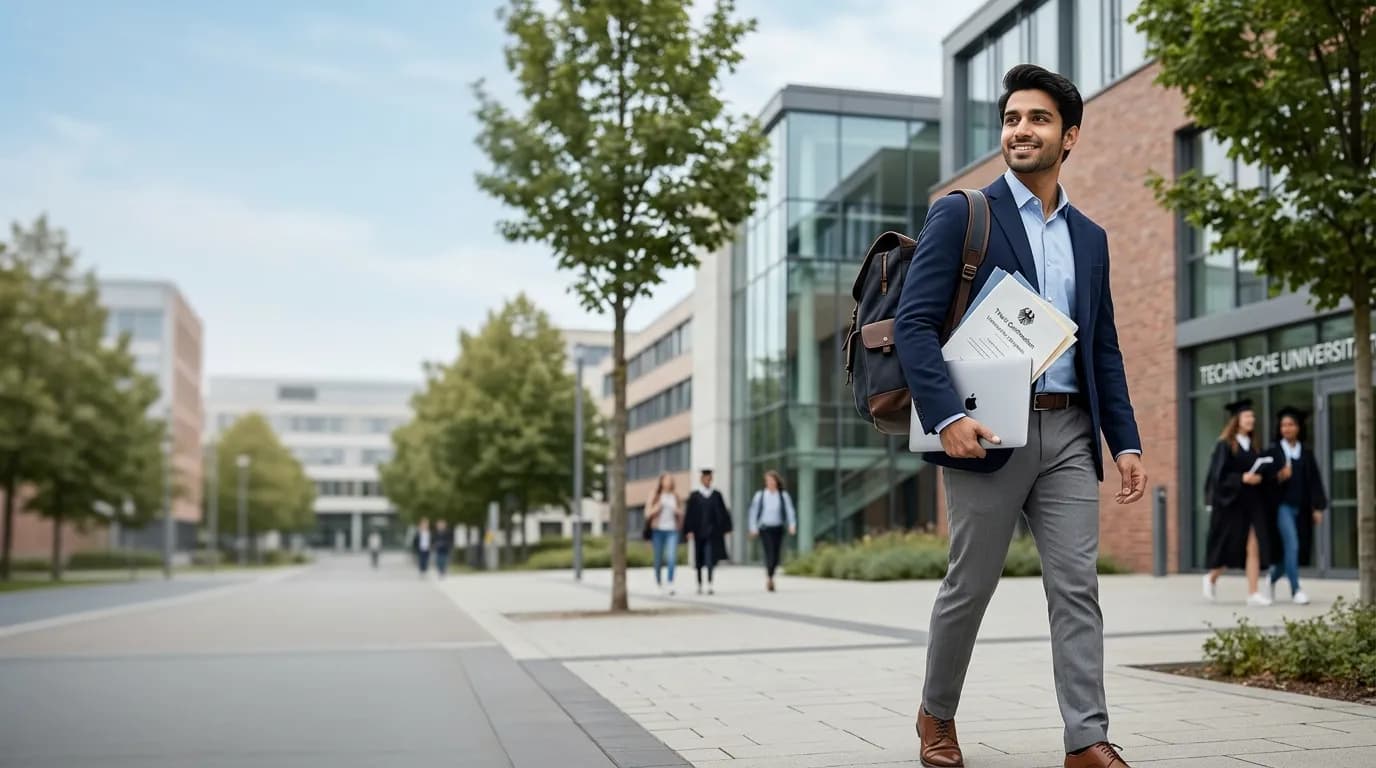
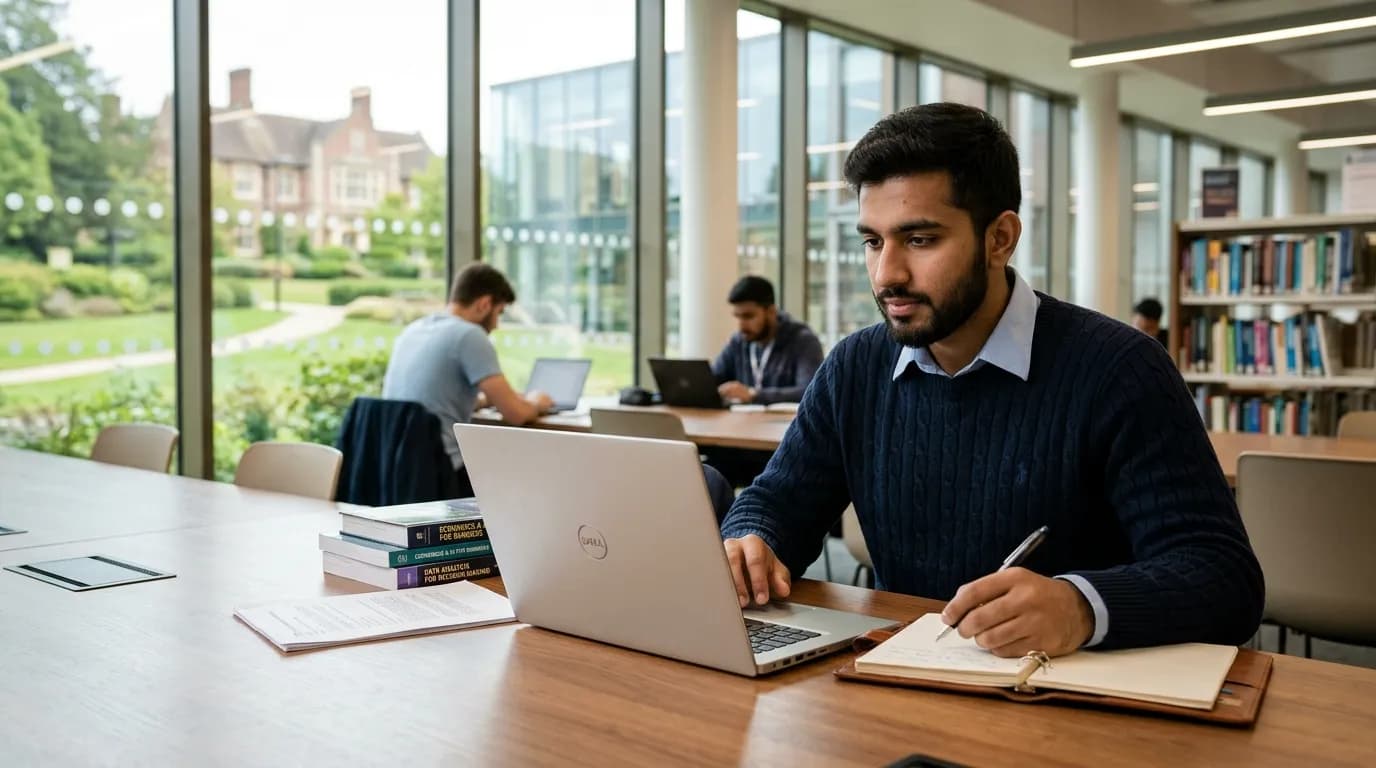
If you've been thinking about moving abroad for your higher education, you've probably heard that Germany is among the top choices for international students. In 2027, the data show that while German companies are practically seeking international talent, many Indian graduates feel completely unprepared to move from the classroom to a real corporate job. Let’s look at the real facts about life after graduation for Indian students, how you can set yourself up to win, and why scoring a top job in Germany is easier than it seems.

The Post-Study Reality in Germany: Strong Demand, Real Preparation Gap
A DAAD BintHo survey tracking nearly 21,000 international students across 132 German universities found that two-thirds want to stay and build careers in Germany after graduation. They love the German lifestyle, the work culture, and the real stability the country offers.
Most students want to stay, but only about one-third feel ready to enter the job market, while others feel lost when it comes to networking, writing a German-style CV, or understanding workplace culture.
According to recent data from the German Economic Institute, the country is facing a skilled-worker shortage that could leave up to 768,000 skilled positions unfilled by 2028. As a result, graduate retention has become a major national priority. Demand is huge, so if you prepare properly and build confidence early, you'll be in an incredibly strong position.
Which Fields Are Hiring — and What They're Paying
Looking at classroom demographics, about 43% of international students in Germany are enrolled in engineering and natural sciences, while another 25% focus on economics, law, and social sciences.
These aren't just random choices; they’re where the biggest employment gaps are. Germany needs around 400,000 new skilled workers every year to keep its economy stable, with shortages currently in mechanical and automotive engineering, IT, healthcare, data science, and renewable energy.
Let's talk about pay, since it's a huge part of your decision. Starting salaries for fresh international graduates generally range from €35,000 to €50,000 per year (roughly ₹32 lakh to ₹46 lakh), depending on your location and industry.
The 18-Month Job Seeker Visa: Your Runway After Graduation
One of the best things about finishing your degree here is the 18-month job seeker visa that Germany offers to international graduates. After your final exams, the government gives you a full year and a half to live in the country and look for a full-time role that matches your qualifications.
The biggest advantage is that you don't need a job before graduation; you can take your time to apply for the right roles, interview without stress, and even take on temporary work to support yourself while you look. Unlike the intense visa pressure you might face with the H-1B lottery system in the USA, your German job seeker visa is granted automatically because you hold a German degree.
Also, compared to the high-stakes competitive pressure of the UK's Graduate Route, 18 months gives you plenty of time to learn the ropes of local job hunting, and you can work as much as you want in any job during these 18 months to support you while waiting for the perfect corporate offer.
The Werkstudent Advantage: Building Your CV Before You Graduate
The best shortcut to career success in Germany is becoming part of the Werkstudent (working student) system, which is a total game-changer for international students. These are part-time jobs in Germany related to your degree that you can work while you study.
German employers don't just look at your grades; they care deeply about your experience, and being a Werkstudent is the ultimate gold star on your CV. A percentage of working students get offered full-time contracts by their employers before they even graduate. You'll also build relationships with managers and colleagues who can give you recommendations or tell you about internal job openings.
Global giants like SAP, Siemens, BMW, and Bosch, alongside hundreds of incredible mid-sized companies, hire thousands of working students every semester. You can work up to 20 hours a week during the semester and full-time during breaks to earn income, cover your monthly living costs, and build confidence while building your resume.
Does the Language Barrier Actually Block Careers?
If you're entering the tech, software engineering, or data science sectors, many multinational companies use English as their official office language. You can land an amazing job without speaking fluent German, but if you're looking at fields like civil engineering, project management, marketing, or human resources, local language skills matter more because you'll be dealing with local clients or regulations.
Instead of seeing German as a barrier, view it as a way to gain a competitive edge.
A1 to A2 (Beginner): This is perfect for handling grocery shopping, visas at the local city office, and showing colleagues you're trying.
B1 to B2 (Intermediate): This will open you up to thousands of medium-sized German companies that form the backbone of the economy but don't always operate in English.
Even in an English-speaking office, joining casual lunchroom chats makes a difference in how connected you feel to your team.
Germany vs. a Domestic MBA: An Honest Comparison for Indian Students
It's completely normal to find yourself weighing a European master's degree against staying in India for a domestic MBA. Let's look at this:
The Indian MBA route is pricey and packed: A top-tier domestic MBA can easily cost you ₹20 lakh to ₹30 lakh in tuition alone, and you'll be competing against thousands of others in the market.
Germany offers lower tuition: Public and some private universities in Germany charge lower tuition fees, and your main expense is daily living costs, which you keep in a blocked account.
Home away from home: Staying in India gives you a feeling of home and zero language barriers, while going to Germany gives you a world-class degree, practical experience through internships, and a direct path to earning in Euros.
A return on investment: It takes real courage to pack your bags, move across the world, and learn a new language. But the boost to your finances and personal growth is incredibly hard to match anywhere else.
What AHZ Can Do to Set You Up for Career Success in Germany
Building a life abroad is super exciting, but exploring confusing paperwork, visa rules, and university options on your own can be completely overwhelming.
At AHZ, our counsellors do more than fill out university applications; we’ll help you choose the exact programme that aligns with your long-term career goals.
We’ll walk with you through the whole process, from finding top English-taught courses to sorting your accommodation and passing your visa interview.
We’ll help you understand the German system so you know exactly how to land those lucrative Werkstudent roles and make the most of your 18-month job seeker visa.