Overview
The United Kingdom is a good choice for many students who want to study abroad, including those from Pakistan. Studying in the UK offers a chance to learn in a highly respected education system and gain skills that are valued around the world. Nursing and midwifery are very important jobs that help people every day. They are also professions with good job prospects and opportunities to grow students' careers.
This guide will help Pakistani students understand why the UK is a great place to study nursing and midwifery. We will look at some of the best universities, what students need to get in, how they will learn, and what kinds of jobs they can get afterwards.
Top University Choices for Nursing and Midwifery for Pakistani Students
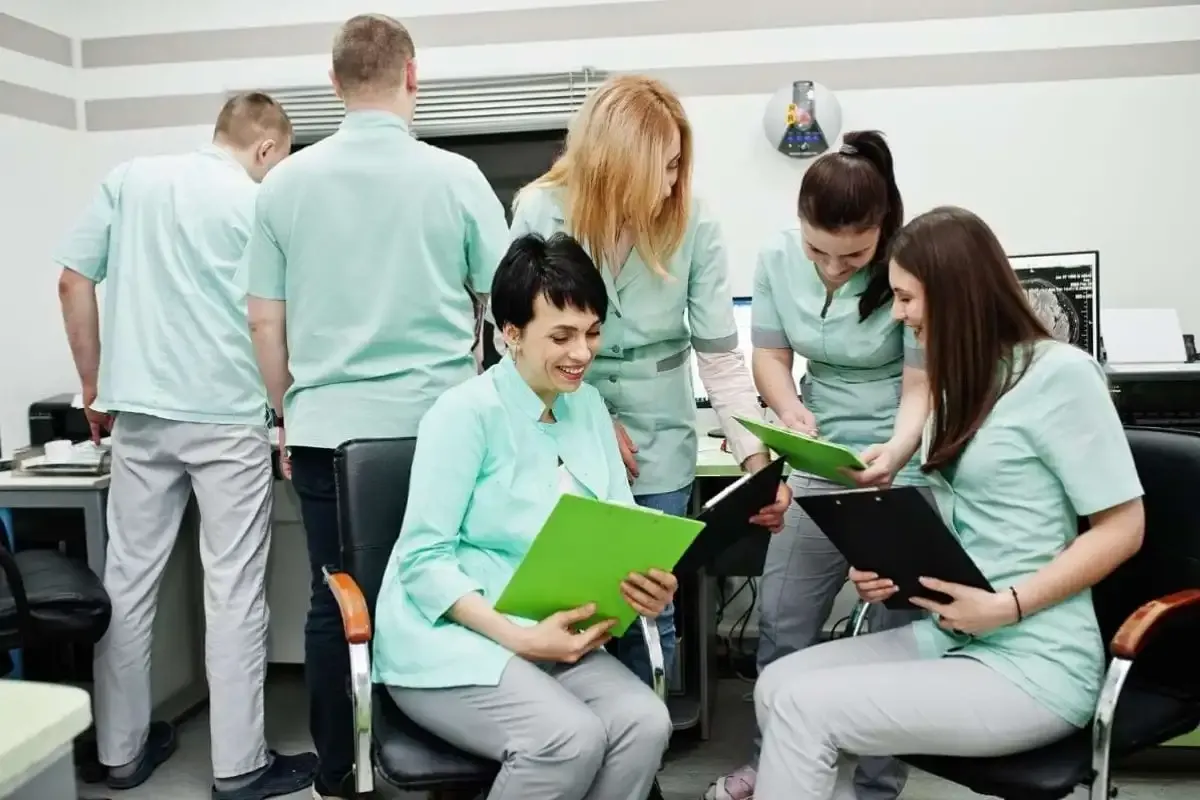
The UK has many great universities that provide excellent nursing courses. These universities are known for teaching very well and have strong links with healthcare providers. This means students get useful, real-world experience.
Here are some of the best universities for nursing education, such as:
- University of Essex
- University of Birmingham
- Brunel University London
- University of East London
- University of Hertfordshire
- Bangor University
- Coventry University
- Staffordshire University
- University of Roehampton
- Buckinghamshire New University
- Middlesex University
- University of Greenwich
These universities, along with many others, always get high praise for their health programmes and are known for giving students an excellent education. They offer courses that prepare students for good jobs by giving them both strong academic knowledge and the practical skills needed in healthcare.
Overview of the Nursing & Midwifery Education System in the UK
Nursing education in the UK usually leads to a bachelor's degree, which takes three years for first-degree courses. These degrees combine learning in classrooms with a lot of hands-on practice in real healthcare settings. This practical experience, called clinical placements, is a very important part of the course. Students learn to use what they know directly when caring for patients, always with someone watching them. The Nursing and Midwifery Council (NMC) oversees this education system. They set the rules for nursing and midwifery training and work in the UK. This makes sure that everyone who graduates meets a high professional standard.
Nursing & Midwifery Courses Available for Pakistani Students
There are different kinds of nursing courses for students from other countries, depending on what they are interested in and what jobs they want.
For a first degree, the main types of nursing are:
- Adult Nursing: This focuses on looking after adults with many different health problems.
- Child (Paediatric) Nursing: This means taking special care of babies, children, and young people.
- Mental Health Nursing:This is about helping people with mental health needs.
- Learning Disability Nursing:This involves caring for people who have learning disabilities.
Midwifery courses also usually last for three years and enable students to become qualified midwives. If students already have a first degree in a related subject, they can also choose to study for a higher degree, like a Master's, in nursing or specific areas.
Why Pakistani Students Benefit from Studying Nursing in the UK
Studying nursing in the UK offers many benefits for students from Pakistan:
- Global Recognition: UK nursing qualifications are known and respected everywhere. This means the degree will be valued by healthcare systems in many countries, creating lots of job opportunities once students graduate.
- Real-World Experience: The UK's healthcare system, especially the NHS, is one of the largest in the world. Learning here gives students a lot of hands-on experience and shows them many different ways healthcare is practised.
- Improved Job Prospects: This practical experience can greatly boost the chances of getting a good job and help students advance in the healthcare field. Graduates often find they are well-placed for leading roles or specialised areas of healthcare.
- Cultural Competence: Students gain experience in healthcare settings that serve people from many different backgrounds. This gets them ready for a truly global career in health.
Entry Requirements for Nursing & Midwifery Courses
Understanding what you need to apply is the first important step for Pakistani students interested in nursing and midwifery courses in the UK.
School Qualifications
To be considered for a nursing or midwifery degree in the UK, students need good results from their high school in Pakistan. This means having a good score in Higher Secondary Certificate (HSC) or a similar qualification. Universities will look for good grades in science subjects like biology and chemistry, and sometimes physics or mathematics. Some universities might also ask for specific grades in certain subjects. If you are planning to study for a Master's degree in nursing, you will need to have already completed a relevant bachelor's degree, usually in nursing or a related health area. It's always a good idea to check the exact entry rules for each university and course you are interested in, as these can be different.
English Proficiency
Since university teaching in the UK is in English, students whose first language is not English must show they are good at it. The most common way to do this is by taking an approved English language test, such as the International English Language Testing System (IELTS). For nursing and midwifery courses, universities usually ask for an overall IELTS score of at least 6.5. Also, no part of the test (like reading, writing, listening, or speaking) should be lower than 6.0. Some universities might have slightly different score requirements, so it's important to check the details for your specific course. Showing you have good English skills is a key part of your application.
Other Required Documents
- Personal Statement: This is a written piece where you explain why you want to study nursing or midwifery, what you hope to achieve, and why you believe you are a good fit for the course.
- Academic References: These are letters from your teachers or professors who can talk about your school abilities and whether you are a good candidate for university study.
- Official Transcripts These are official records of all your past school qualifications and grades.
- Valid PassportYou will need a valid passport for identification and when you apply for your visa.
- Visa Documents: Once a university offers you a place, you will need papers for your Student visa application. These include a Confirmation of Acceptance for Studies (CAS) from the UK university and proof that you have enough money to cover your university fees and living costs in the UK.
Careers in Nursing & Midwifery
Graduates from UK nursing and midwifery courses have excellent chances for jobs, both in the UK and in other countries. Many nursing and midwifery graduates decide to work for the UK's National Health Service (NHS), which is a very big employer.
The NHS has many different jobs in various areas, such as:
- Registered Midwife
- Adult Nurse / Community Nurse / District Nurse
- Health Visitor / Practice Nurse / School Nurse
- Neonatal Nurse
- Mental Health Nurse
- Clinical Nurse Specialist
- Nurse Educator / Researcher
- International Aid or Travel Nurse / Private Duty Nurse
A big part of nursing and midwifery degrees in the UK involves practical work placements. The university sets up these placements, giving students important hands-on experience in real healthcare settings.
Students will work closely with experienced healthcare workers, using what they have learned and building key skills. It is very important to make the most of these placements by being active, asking questions, and showing you are keen to learn. These experiences not only help students learn but also provide good chances to meet people in the field, and sometimes even lead to job offers later.
The application process involves sending in your school qualifications, results from an English language test, a personal statement (where you write about why you want to study the course), and letters of recommendation from teachers.
Once a university offers you a place, you will then apply for a Student visa. Applicants can speak to our trained counsellors today if they need help with their application.
Frequently Asked Questions
- Can I get a job abroad after studying Nursing and Midwifery in the UK?
Yes, you definitely can. UK nursing and midwifery degrees are respected worldwide. You’ll leave with not just a degree, but also solid clinical experience, international exposure, and professional connections. That’s a big plus when applying for jobs globally.
- How can Pakistani students apply to UK universities for nursing and midwifery programmes?
Pakistani students can apply to UK universities for their first degrees (undergraduate courses) through a system called the Universities and Colleges Admissions Service (UCAS), and students can apply directly on the university's website for higher degrees (postgraduate courses).
- What are the best universities in the UK for nursing and midwifery?
Some top choices to study nursing and midwifery include the University of Essex, University of Birmingham, Brunel University, University of East London, Bangor University, and Middlesex University. These schools are known for high-quality teaching and strong clinical training.
- What is the duration of nursing and midwifery courses in the UK for pakistani students?
Most first degrees in nursing in the UK, for areas like Adult, Child, Mental Health, or Learning Disability nursing, usually take three years to complete for pakistani students. Midwifery programmes are also generally three years long. If you are studying for a higher degree (Master's), these usually last for one year if you study full-time.