Discover UK Pharmacy courses, university options, entry requirements, tuition fees, scholarships and career opportunities for Pakistani students.
Quick Facts:
Academic & Language Prerequisites: Strong high school or undergraduate preparation in Chemistry (essential) and Biology, supported by qualifying IELTS or PTE Academic scores.
4-Step Professional Pathway: Complete an accredited MPharm degree, undertake 1 year of paid Foundation Training, pass GPhC evaluations, and gain official registration.
Funding & Scholarships: Accessible merit-based and regional funding opportunities include Chevening, Commonwealth, and individual university awards.
Broad Career Scope: Graduates can work as NHS hospital or community pharmacists, or transition into drug development, clinical research, and regulatory affairs.
A few years from now, imagine yourself at a pharmaceutical company, working on medicines that could improve or even save thousands of lives worldwide. Pharmacy allows you to solve problems, support patients, work alongside healthcare professionals, and contribute to better health outcomes. What makes it even more appealing is that it doesn’t limit you to one career path. Pharmacy graduates can build careers in hospitals, pharmaceutical companies, research laboratories, healthcare organisations, and many other areas of the healthcare sector.
The UK has been a popular destination for Pharmacy students for years, not only because of its universities, but also because of how pharmacy is taught. Students learn the science behind medicines and how to apply their knowledge in real healthcare settings. They also develop clinical and communication skills, along with a better understanding of patient care, which helps prepare them for careers after graduation.
If you’re considering studying Pharmacy in UK, this guide covers what you need to know, from choosing the right course and university to exploring career options, graduate salaries, and long-term career prospects.
Why Pakistani Students Choose Pharmacy in the UK
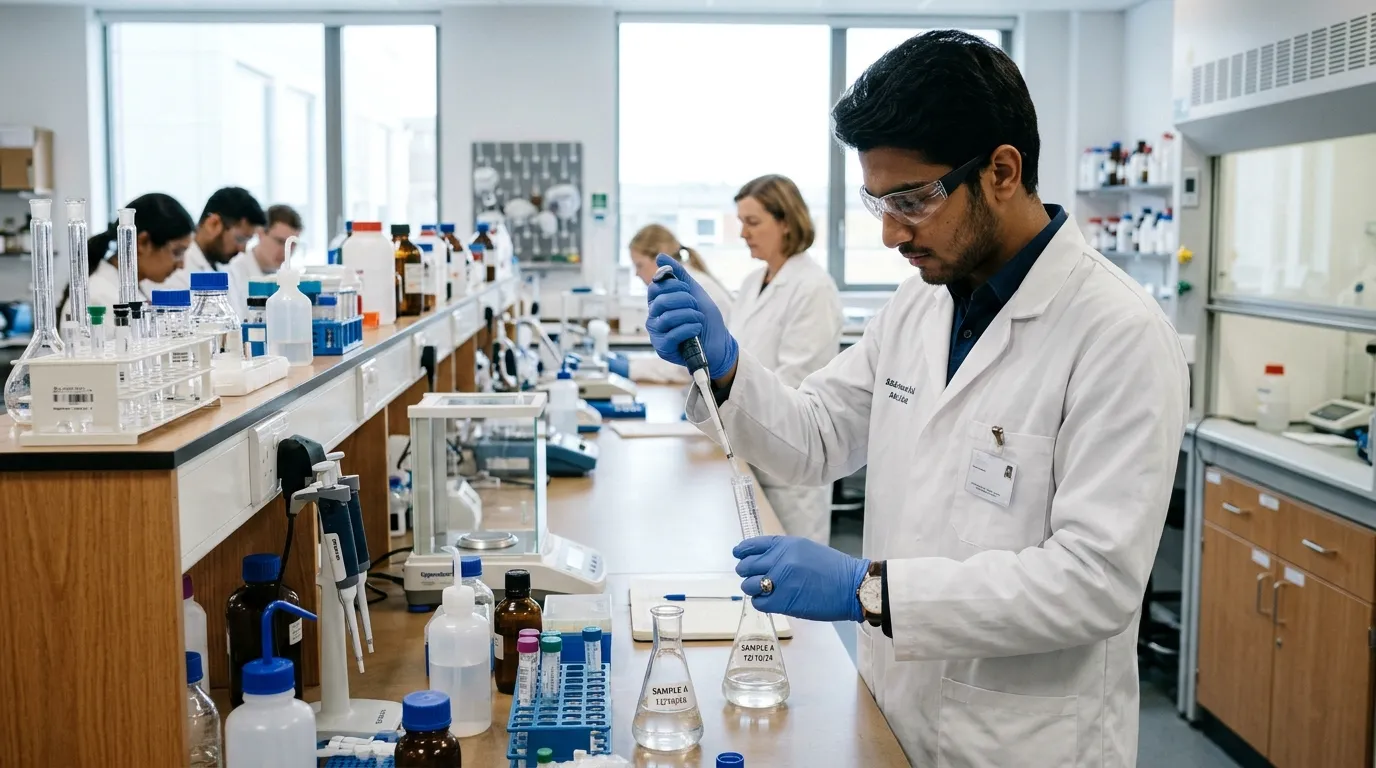
Pharmacy brings together the best of science and healthcare, giving students the knowledge and skills to make a real difference in their communities. Let’s explore why so many Pakistani students are choosing to study Pharmacy in UK and the opportunities this course can come with.
Globally Respected Qualifications
One of the biggest advantages is the global reputation of a UK Pharmacy degree. Qualifications from UK universities are recognised and respected worldwide. Employers often value UK-trained pharmacy graduates because they have developed a strong understanding of pharmaceutical science alongside the practical and professional skills needed in modern healthcare environments.
Learn Through Real-World Experience
What makes Pharmacy different is that learning doesn’t happen only in the classroom. Students have opportunities to put their knowledge into practice in real healthcare settings throughout the course. Placements and practical training allow them to work alongside healthcare professionals, observe patient care and understand how medicines are used in day-to-day clinical practice.
Develop Clinical and Scientific Expertise
As you progress through your studies, you'll develop expertise across several areas of healthcare. You learn about medicines, drug development, patient safety, treatment plans, healthcare systems, and the important role pharmacists play in supporting both patients and medical teams. By the time you graduate, you have built a combination of scientific knowledge and clinical understanding that is highly valued across the healthcare sector.
Strong Career Prospects and Flexibility
A Pharmacy degree can open up a range of career options after graduation. Graduates can work in hospitals, community pharmacies and pharmaceutical companies, as well as move into healthcare consulting, research, government roles or regulatory organisations.
What Pharmacy Is and What Pharmacists Do
Pharmacy is really about much more than most people realise; it’s the healthcare profession focused on medicines, from how they are discovered, prepared, used, and most importantly, how they can be used safely and effectively to improve people’s health.
Now, who are pharmacists?
Pharmacists are the people who truly understand medicines. Not just what they are, but how they interact with other drugs, what dosages are safe for humans, and what side effects to watch out for. Because of this, they play a really important role in making sure every patient gets the best possible treatment.
Many people think pharmacists simply “give out prescriptions,” but that’s only a small part of what they do.
In everyday life, you’ll find pharmacists in community pharmacies, ready to listen when someone walks in with a health concern. They offer advice on some illnesses, help people understand their medications, and make sure prescriptions are used safely.
As healthcare continues to become more complex, the role of the pharmacist is becoming even more important. They are not just medicine experts but also protectors of safe treatment and important players in improving patient health every day.
Pharmacy Courses Pakistani Students Can Study in the UK
The most common route to becoming a pharmacist in the UK is through an MPharm (Master of Pharmacy) degree.
Unlike traditional master’s programmes, the MPharm is an integrated undergraduate degree specifically designed to prepare students for professional pharmacy practice.
From your very first year, you’re gently introduced to the world of medicine. You start to understand things like how drugs are designed to treat illnesses, why the right dose matters so much, and how different medicines can interact in the body.
This degree lasts four years and combines pharmaceutical science, clinical pharmacy, healthcare practice, and practical training.
For students who already hold relevant qualifications, various postgraduate options are available, including:
MSc Clinical Pharmacy
MSc Pharmaceutical Science
MSc Drug Development
MSc Pharmacology
It is important to understand that an MSc in Pharmaceutical Science or Pharmacology does not automatically qualify graduates to become registered pharmacists. Students who wish to practise as pharmacists should typically pursue an accredited MPharm programme.
When selecting a course, always verify whether the programme is accredited for professional pharmacy training requirements.
Popular UK Universities for Pharmacy
When choosing a university to study pharmacy in UK, rankings are only one part of the picture.
Pakistani students should also consider accreditation, graduate employability, student support services, placement opportunities, research strengths, tuition fees, and location.
Strong pharmacy schools often share several characteristics. They maintain close partnerships with healthcare providers, offer modern laboratory facilities, provide excellent clinical placement opportunities, and have strong graduate employment outcomes.
Before making a final decision, compare course structures carefully, as pharmacy programmes can differ significantly in teaching style, placement opportunities, and specialisation options.
Here are some Popular university options in the UK for Pharmacy:
Keele University
London South Bank University
Aston University
De Montfort University
University of Greenwich
University of Portsmouth
Bangor University
Liverpool John Moores University
University of Sunderland
University of Central Lancashire
Kingston University
Middlesex University
Entry Requirements for Pharmacy in the UK
Pharmacy is one of the most respected healthcare degrees in the UK, so the admissions process is a bit competitive. Universities want to know that students have the academic ability to succeed in the programme.
Strong Academic Performance
Most universities look for strong academic performance, particularly in science subjects. Chemistry is usually the most important subject, while Biology is often preferred or required by some institutions.
A solid background in these subjects helps prepare students for the scientific concepts they will encounter throughout the degree.
English Language Requirements
For international students, effective communication skills are as important as strong academic qualifications. Pharmacists interact with patients, doctors, nurses, and other healthcare professionals every day, so clear communication skills are essential.
To show your English language proficiency, you may need to take a recognised test such as IELTS or PTE Academic. The required score varies by university and course, so check the specific English language requirements before applying.
Preparing Your Documents
Applying to study Pharmacy in the UK involves more than simply submitting your grades. Universities want to have a clear understanding of why you’re interested in the profession. In general, you’ll need the following documents to apply:
Academic transcripts and certificates
English language test results (where required)
A personal statement explaining your interest in Pharmacy
Any additional supporting documents requested by the university
Because admission requirements vary by institution, students should always review the latest university-specific criteria before applying.
Cost to Study Pharmacy in UK
One of the first questions many Pakistani students ask when considering Pharmacy in the UK is, “How much is it going to cost?”
It’s a fair question. Moving to another country for university is a major decision, so it’s important to understand the costs before you apply. A career in Pharmacy can offer opportunities in the UK and other countries, making it a popular choice among international students.
For international students, MPharm tuition fees generally range from around £23,500 to £35,400 or more per year, depending on the university and course.
Postgraduate pharmacy-related programmes commonly range from approximately £18,000 to £32,000 or more annually.
Also, budget for accommodation, food, transportation, study materials, healthcare costs, and personal expenses.
Living expenses vary depending on location. Students studying in London generally face higher living costs than those studying in smaller cities. You will need around £13,500 to £19,500 to live as an international student in the UK.
Planning a realistic study budget before applying can help reduce financial stress later in the journey.
Scholarships Available for Pakistani Pharmacy Students
Studying Pharmacy in the UK is a dream worth pursuing for Pakistani students. However, it’s no secret that international tuition fees and living expenses can add up quickly. That’s why scholarships can make such a big difference.
Pakistani students may be eligible for several funding opportunities depending on their academic background, course level, and chosen institution.
Every year, thousands of international students receive financial support that helps make a UK education more affordable. Whether it’s a full scholarship covering tuition and living costs or a partial award that reduces university fees, these opportunities can ease the financial pressure and allow students to focus more on their studies.
Some of the most well-known funding opportunities include:
Chevening Scholarship: Funded by the UK government. Chevening supports outstanding students who wish to pursue a postgraduate degree in the UK. It is highly competitive and typically looks for applicants who can demonstrate strong academic achievement, leadership potential, and professional experience.
Commonwealth Scholarships: This is for students from Commonwealth countries pursuing postgraduate study in the UK. These scholarships are especially valuable because they can cover a significant portion of study-related expenses.
University-Specific Scholarships: Many UK universities offer scholarships for international students. These can include merit-based awards for high-achieving students, scholarships for specific subjects or faculties, and awards for students from certain countries or regions.
The amount you can receive varies between universities. Some scholarships offer a few thousand pounds towards tuition fees, while others may cover a larger part of your study costs.
Don’t wait until you receive a university offer before looking into scholarships. Some scholarship applications open months before the course starts and may have early deadlines. Starting your research early gives you more time to explore your options and apply before the deadline.
Take some time to check the scholarships available at each university. A university that initially seems expensive could become more affordable if you receive a scholarship.
Placement Opportunities for Pharmacy Students During Their Degree
Practical training is an important part of Pharmacy education. Students often gain experience in community pharmacies, hospitals and other healthcare settings during their studies.
These placements help students apply what they learn in the classroom to real situations. Working with patients can also help them develop communication skills, clinical judgement and confidence in professional healthcare settings.
Placements also help students build professional networks and gain insight into different pharmacy career paths.
Many graduates describe placement experiences as one of the most valuable aspects of their pharmacy education because they provide a realistic understanding of the profession before graduation.
How to Become a Registered Pharmacist in the UK
From starting university to becoming a registered pharmacist, each stage helps you build the knowledge, practical skills and confidence needed to care for patients safely.
Here’s a step-by-step look at how to become a registered pharmacist in the UK—
Step 1: Complete an Accredited MPharm Degree
Every pharmacist’s journey begins at university.
To become a pharmacist in the UK, you’ll first need to complete an accredited MPharm (Master of Pharmacy) degree. This is typically a four-year programme that combines pharmaceutical science, clinical knowledge, and practical healthcare training.
During these four years, you’ll learn far more than how medicines work. You’ll develop an understanding of patient care, disease management, medication safety, healthcare ethics, and communication skills, and also gain practical experience through placements and clinical learning opportunities.
Step 2: Put Your Knowledge into Practice Through Foundation Training
Graduating with your MPharm degree is a huge achievement, but it’s not the final step.
After university, aspiring pharmacists move on to Foundation Training, a structured period of supervised professional practice.
At this stage, what you’ve learned through lectures, laboratory work and placements comes together in real healthcare settings. You’ll work alongside experienced pharmacists, interact with patients, support healthcare teams and build the practical skills you’ll need for your career.
Step 3: Demonstrate That You’re Ready for Professional Practice
During your foundation training, you’ll be assessed against professional standards and competencies. The assessment looks beyond your knowledge to see how well you can apply what you’ve learned safely in real healthcare settings.
At this stage, you’ll develop your ability to make professional decisions, address medication-related problems, communicate with patients and contribute to patient care as part of a wider healthcare team.
Step 4: Apply for Registration
Once you’ve completed the required training and met the professional requirements, you’re ready for the final step.
You can apply to join the register maintained by the General Pharmaceutical Council (GPhC), the organisation that regulates pharmacists in Great Britain.
Registration is an important milestone because it confirms that you’ve met the standards required to practise as a pharmacist.
Step 5: Begin Your Career as a Pharmacist
Once registered, you can start practising as a pharmacist and explore a wide range of career opportunities. Some graduates choose to work in community pharmacies, helping patients manage their medicines and improve their health. Others join hospital pharmacy teams, pharmaceutical companies, research organisations, or specialist clinical services.
Career Opportunities Available After Studying Pharmacy
One benefit of a Pharmacy degree is the range of career options it offers. Many graduates work in community pharmacies, where they provide healthcare services and advice directly to patients.
Others join hospital pharmacy teams, where they support patient care, medicines management and more complex clinical needs.
Additional opportunities exist in pharmaceutical companies, research organisations, healthcare consulting firms, regulatory agencies, and government departments.
Popular career paths include Community Pharmacist, Hospital Pharmacist, Clinical Pharmacist, Pharmaceutical Researcher, Regulatory Affairs Specialist, Medical Information Officer, and Medicines Safety Specialist.
Salaries Pharmacy Graduates Earn in the UK
Pharmacy remains one of the better-paid healthcare professions in the UK.
Newly qualified pharmacists often start their careers earning about £37,000–£45,000 in NHS Band 6 positions, with salaries increasing as they gain experience and specialise.
Many registered pharmacists earn around £40,000 to £60,000 or more per year, depending on their sector, location and level of experience.
Pharmacists in senior, specialist, consultant or leadership roles can earn up to £70,000 a year, while highly experienced professionals may earn more.
The pharmaceutical industry may also offer attractive salary packages, particularly in specialist scientific, regulatory, and leadership positions.
Is Studying Pharmacy in the UK Worth It for Pakistani Students?
During your application process, you’ve probably had this moment where you pause and ask yourself: “Is it really worth it?”
It’s a very real question. Because behind the excitement of studying abroad, there’s always that mix of hope, pressure, and uncertainty about whether the effort, time, and money will truly pay off.
For many Pakistani students, the answer is yes.
Pharmacy offers a rare combination of scientific knowledge, healthcare impact, professional status, and career stability.
The profession provides a clearly defined registration pathway, strong graduate employability, and opportunities to work across multiple sectors.
A UK pharmacy qualification is recognised internationally, allowing graduates to explore opportunities both within the UK and globally.
The healthcare sector continues to require highly trained medical experts, and pharmacists play an increasingly important role in modern patient care.
While the degree requires dedication, strong academic performance, and significant financial investment, the long-term career opportunities, earning potential, and professional satisfaction make it a good choice.
How AHZ Can Help
At AHZ, we're committed to supporting you towards your UK study goals. We provide a wide range of free services to make your application journey successful, including:
Personalised Counselling: Students get one-to-one counselling based on their specific academic and career ambitions.
University & Course Selection: Find the ideal UK university and course that aligns with your goals.
Application Support: Our expert team will complete the full university application process for you.
Personal Statement Review: Receive feedback to help you write a powerful personal statement.
Document Checking: We'll make sure all your documents meet university requirements.
Guidance for University Interview: Get trained by AHZ professionals to face your university admissions interviews.
Scholarships & Financial Advice: Our counsellors can guide you about finances and help you find scholarships.
UK Student Visa Guidance: We'll guide you step-by-step with your visa application.
Pre-departure Briefings: We arrange pre-departure events for our students to provide them with valuable guidance to get prepared for their lives in the UK.
Post Arrival Support: Our continuous support helps with your confusion about UK life and makes things much easier for you.
Need complete guidance from your application process to a successful admission journey in the UK? Get in touch with one of our expert counsellors at AHZ. Contact us today!
Frequently Asked Questions
- Can Pakistani students transfer into a UK pharmacy degree from another country?
- Several universities accept transfer applications, but acceptance depends on curriculum compatibility, academic performance, and available places.
- Can Pharmacy graduates move into the pharmaceutical industry instead of patient-facing roles?
- Absolutely. Many pharmacists build successful careers in drug development, regulatory affairs, medical affairs, quality assurance, and pharmaceutical research.
- Can Pharmacy graduates work outside the UK after graduation?
- Yes. Many countries recognise UK pharmacy qualifications, although additional registration requirements may apply.
- Can Pharmacy students undertake research projects during their studies in the UK?
- Yes. Many pharmacy programmes include research projects, dissertations, or laboratory-based investigations.
- Do Pharmacy students need work experience before applying for the UK?
- Work experience is not always mandatory, but healthcare-related experience can strengthen an application.
- Is Mathematics required for Pharmacy in the UK?
- Requirements vary by university. While Chemistry is usually essential, Mathematics may be preferred or recommended by some institutions.
- Is Pharmacy harder to get into than other healthcare courses?
- Pharmacy is competitive because universities expect strong science backgrounds, particularly in Chemistry.
- What is the biggest mistake Pakistani students make when choosing a Pharmacy university in the UK?
- Many Pakistani students focus only on rankings while choosing UK universities. They should also consider accreditation status, placement opportunities, graduate outcomes, student support services, tuition fees, and overall career prospects.
- What is the difference between MPharm and Pharmaceutical Sciences?
- MPharm is a professional qualification leading to pharmacist registration, while Pharmaceutical Sciences focuses more on the scientific and research aspects of medicines.
- Which UK city offers the best opportunities for Pharmacy graduates?
- Major cities such as London, Manchester, Birmingham, Glasgow, and Leeds often provide extensive opportunities across the healthcare and pharmaceutical sectors.