Discover UK living costs for Sri Lankan students, from accommodation and groceries to transport, healthcare and money-saving tips.
Quick Facts:
Geographic Cost Variance: London remains the most expensive destination with average monthly living costs between £1,400 and £2,500, whereas regional student hubs like Birmingham, Manchester, Coventry, and Leicester offer more budget-friendly living at £800 to £1,400 per month.
Accommodation Dynamics: Housing represents the largest single monthly expense. First-year students typically utilise utility-inclusive University Halls to adjust, while senior students scale down costs by moving into shared private housing.
The 28-Day Financial Rule: For official visa compliance, the required maintenance funds covering both remaining first-year tuition fees and living expenses must remain continuously in a regulated bank account for at least 28 consecutive days.
Mitigating Expenses: Students can drastically lower daily outlays by cooking South Asian or local groceries at home (shopping at budget supermarkets like Aldi and Lidl), maximising transit savings via Railcards, and leveraging student discount networks like UNiDAYS and Student Beans.
For many Sri Lankan students, the journey to studying in the UK begins long before they board a plane. It starts with comparing universities, choosing the right course, gathering documents, and picturing what life abroad might be like.
As exciting as that journey is, one question almost every student and parent asks is, "How much does it cost to live in the UK?" Knowing what to expect can help you plan your finances with confidence and avoid surprises later.
Living costs vary depending on where you study, your accommodation, and your lifestyle. While the UK offers world-class education and excellent support for international students, your monthly expenses can look very different from someone else's.
The good news is that thousands of international students successfully manage their budgets every year. With a little planning and a realistic budget, you can enjoy your time in the UK without putting unnecessary pressure on your finances.
The good news is that thousands of students successfully manage their budgets and enjoy a comfortable student life in the UK every year. With a clear understanding of expected costs and a little financial planning, it becomes much easier to make informed decisions and avoid unnecessary stress.
The Average Cost of Living in the UK for Sri Lankan Students
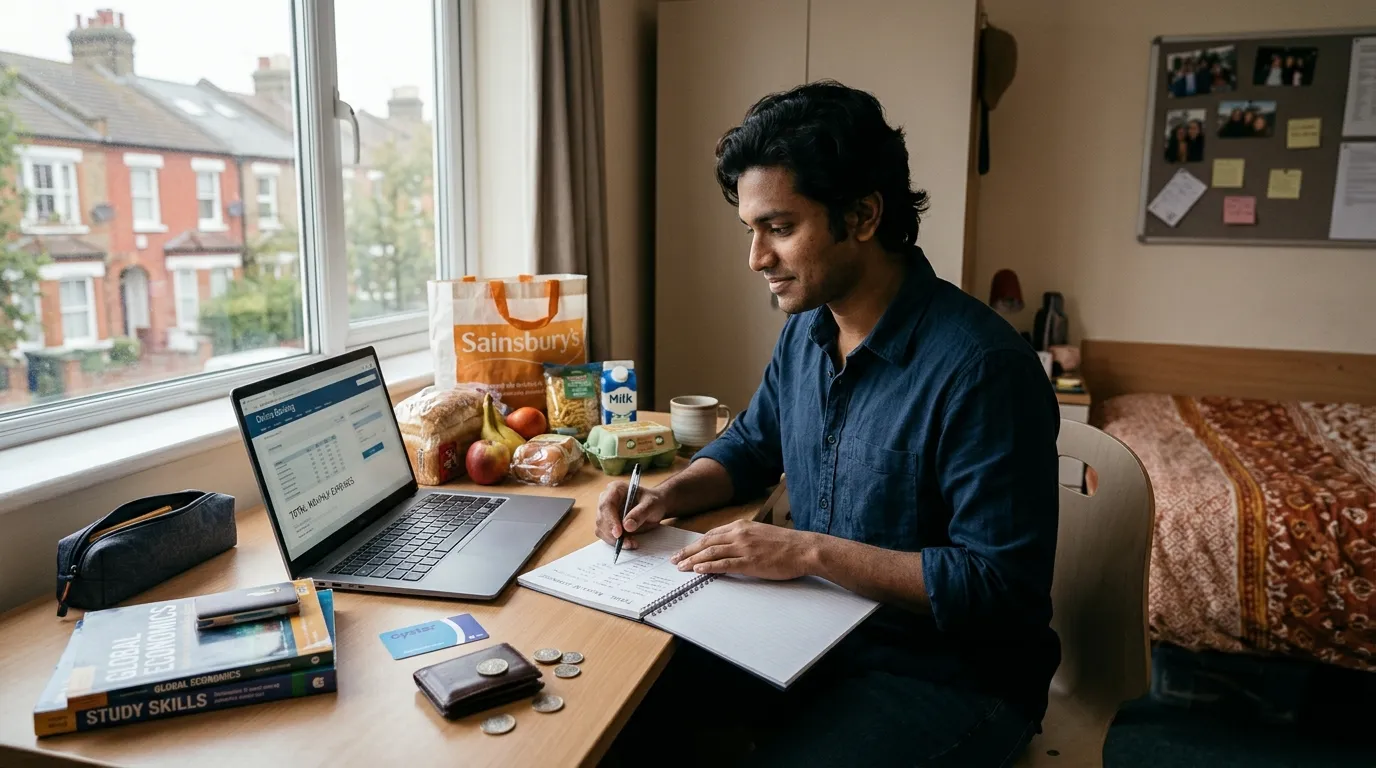
On average, you can expect to spend between £800 and £1,800 per month, depending on your location and lifestyle. If you're living in London, you'll usually spend much more than if you settle in cities like Birmingham or Manchester.
General monthly living expenses may include:
Accommodation
Food and groceries
Transportation
Internet and mobile bills
Study materials
Healthcare-related expenses
Entertainment and personal spending
Currently, the UK government expects international students to show proof of financial capability. For applications, you'll need to demonstrate a budget of £1,529 per month for living costs in London, or £1,171 per month if you're studying anywhere outside London.
However, you can spend less by sharing accommodation, cooking at home, and taking advantage of student discounts.
Accommodation Costs Across UK Cities
Accommodation is usually the largest expense for international students in the UK.
The cost depends heavily on the city, type of housing, and whether the student chooses university accommodation or private housing.
London
London is the most expensive city in the UK for students. Rent can range from £700 to over £1,500 per month, depending on the area and housing type.
Students living in central London often spend significantly more on both accommodation and transport.
Birmingham
Birmingham is considered much more affordable than London and remains popular among international students. Students may spend between £450 and £850 per month on accommodation.
The city offers excellent public transport, lively student communities, and lower daily expenses compared to London.
Manchester
Manchester combines strong student life with moderate living costs. Accommodation typically ranges between £500 and £900 monthly.
Coventry and Leicester
These cities are often considered budget-friendly for students. Shared accommodation and student housing options can be considerably cheaper, sometimes starting from £350 to £600 monthly.
Types of Student Accommodation
University Halls
University-managed accommodation is often the easiest option for first-year international students. Bills such as electricity, heating, water, and internet are usually included.
This option also helps students quickly make friends and adjust to life in the UK.
Shared Private Housing
Many students move into shared apartments or houses after their first year. Sharing rent and utility bills can reduce costs substantially.
Studio Apartments
Studio apartments offer privacy but are usually more expensive. They are more common among postgraduate students or students who prefer independent living.
Typical Monthly Expenses for Food and Groceries
Food expenses depend largely on lifestyle and eating habits.
Sri Lankan students who cook meals at home usually spend much less compared to students who eat out frequently.
On average, students may spend between £120 and £300 monthly on groceries and food.
Popular supermarkets in the UK include Tesco, Aldi, Lidl, Sainsbury’s, and Asda. Aldi and Lidl are especially popular among students because of their lower prices.
Many Sri Lankan students also shop at Asian grocery stores where they can buy familiar spices, rice, lentils, coconut products, and other South Asian ingredients.
Cooking at home not only saves money but also helps students maintain familiar eating habits while abroad.
Eating out in the UK can become expensive quickly. A simple restaurant meal may cost £10 to £20 or more, especially in larger cities.
Fortunately, many universities have affordable student cafeterias and meal deals nearby.
Students’ Budget for Transportation in the UK
Transportation costs vary depending on the city and how often students travel.
Students living close to campus may spend very little on transport, while those commuting daily may need a larger monthly budget.
London Transport Costs
London has one of the most extensive public transport networks in the world, but it's also more expensive. You'll mostly get around using the Underground (Tube), buses, overground trains, or trams. Monthly transport costs in London may range from £80 to £180.
Other UK Cities
Cities like Birmingham, Sheffield, Leicester, and Coventry are generally cheaper for transportation.
Students may spend around £30 to £80 monthly on buses and trains.
Many universities also encourage cycling, and some students prefer walking to campus when possible.
Railcards can also help students save money on train travel across the UK.
Healthcare Costs and Insurance Requirements for International Students
International students studying in the UK for more than six months are usually required to pay the Immigration Health Surcharge (IHS) as part of their visa application.
This allows students to access the UK’s National Health Service (NHS).
The NHS provides many healthcare services, including:
Doctor appointments
Emergency treatment
Hospital care
Some vaccinations
After arriving in the UK, students should register with a local GP (doctor) near their university.
Although many NHS services are covered, students may still pay extra for:
Prescription medications
Dental treatment
Eye care and glasses
It is also wise for students to keep a small emergency medical fund for unexpected situations.
Documents Needed to Access Healthcare in the UK
Students typically need:
Passport
BRP (Biometric Residence Permit)
Proof of address
University enrollment confirmation
Registering with a GP early is highly recommended.
How Sri Lankan Students Save Money While Living in the UK
Living affordably in the UK is possible with smart budgeting and planning.
One of the best ways students save money is by sharing accommodation with friends or fellow students.
Cooking at home instead of eating out regularly can also reduce expenses significantly.
Students should also take advantage of student discounts available throughout the UK. Many shops, restaurants, cinemas, transport services, and online stores offer discounted prices for students.
Apps and services like UNiDAYS and Student Beans help students access discounts easily.
Buying second-hand textbooks, furniture, kitchen items, and winter clothing can also save a lot of money during the first year.
Many students additionally work part-time while studying.
International Students: Part-Time Work to Cover Living Expenses?
Yes, most international students on a Student Visa are allowed to work part-time during their studies.
Students can usually work:
Up to 20 hours per week during term time
Full-time during holidays
Part-time jobs may include:
Retail work
Hospitality jobs
University assistant roles
Delivery services
Tutoring
While part-time work can help with living expenses, students should still ensure that academics remain the main priority.
Scholarships or Financial Aid to Help With Living Expenses
Yes, many universities in the UK offer scholarships specifically for international students, including students from Sri Lanka.
Some scholarships help reduce tuition fees, while others may contribute toward accommodation or living costs.
Common scholarship opportunities include:
University merit scholarships
Commonwealth scholarships
Chevening scholarships
Department-specific bursaries
International student discounts
Students should always check their university’s official scholarship page before applying.
Some universities also provide hardship funds or emergency financial assistance for students facing unexpected difficulties.
What Are the Hidden or Unexpected Costs Students Should Be Aware Of
Many international students prepare for tuition and rent, but forget smaller expenses that add up over time.
Some commonly overlooked costs include:
Winter clothing
Bedding and kitchen supplies
Laundry
Printing and study materials
Visa renewal expenses
Society memberships
Social activities
Mobile phone plans
Deposits for accommodation
Students may also spend more in their first few months as they settle into a new environment.
Creating a monthly budget early can help students stay financially organised and avoid unnecessary stress.
Cost of Living in London Compared to Other UK Cities

London is considerably more expensive than most UK cities.
Students in London typically spend £1,400 to £2,500 per month, depending on their lifestyle and the type of accommodation they choose.
Outside London, monthly living costs are usually lower, with many students spending £800 to £1,400.
If you're looking to save on living expenses, cities like Birmingham, Coventry, Leicester, and Sheffield are worth considering. They're popular with international students because they offer a lower cost of living than many other UK cities while still providing access to excellent universities and a great student experience.
Affordable Accommodation Options Near UK Universities
Yes, many universities offer affordable student housing options.
Students can explore:
University halls
Shared apartments
Student residences
Homestays
Private shared housing
Applying for accommodation early usually provides better options and lower prices.
Many universities also have international student support teams that help students find safe and affordable housing.
How Reliable Are Student Discounts for Daily Expenses
Student discounts in the UK are extremely useful and widely accepted.
Students can save money on:
Clothing
Food
Technology
Transportation
Entertainment
Gym memberships
Online subscriptions
Even small discounts can make a noticeable difference over time.
Always carrying a valid student ID card is important because many stores ask for proof of student status.
How AHZ Can Help
Ready to start your journey to study in the UK in 2026?
AHZ is here to guide you every step of the way — from choosing the right course to your visa application. With 140+ university partnerships and over a decade of experience, we've helped thousands of students begin their study abroad journey. Reach out to us today:
Speak with a counsellor for free, on the phone, for personalised guidance
Chat with us on WhatsApp for quick answers
Send us your questions anytime
Planning a budget for your move can feel daunting, but you don't have to map it out alone. Let's make your transition smooth—schedule a free 15-minute chat with an AHZ counsellor today to lock down your personal university budget.
Frequently Asked Questions
- Are there affordable accommodation options near UK universities?
- Yes. Many universities offer a range of accommodation options, including university halls, student residences, shared flats, and private shared housing. If you're trying to keep your costs down, shared accommodation is usually the most affordable choice.
- Can international students work part-time to cover living expenses?
- Yes. Most international students on a UK Student Visa can work up to 20 hours per week during term time and full-time during holidays. Part-time jobs can help cover daily living expenses.
- How much does it cost to live in London compared to other UK cities?
- London is significantly more expensive than most UK cities. Students in London may spend around £1,400–£2,500 monthly, while students in cities like Birmingham, Coventry, or Leicester may spend about £800–£1,400 monthly, depending on lifestyle and accommodation.
- How reliable are student discounts for daily expenses?
- Student discounts in the UK are very reliable and widely accepted. Students can save money on transport, food, shopping, entertainment, and subscriptions using a valid student ID or platforms like UNiDAYS and Student Beans.
- What documents are needed to access healthcare in the UK?
- Students usually need their passport, proof of address, and confirmation of their university enrolment to register with a local GP. If applicable, they may also be asked to provide their Biometric Residence Permit (BRP) or eVisa details.